How Much Is Insurance for a Construction Company?
Running a construction company means managing risk every day; job site hazards, equipment theft, accidents, and liability claims are all part of the business. Insurance isn’t just a box to check; it’s a crucial safety net that keeps your operation running when the unexpected happens.
One of the most common questions contractors ask is: “How much does insurance actually cost for a construction company?”
The honest answer? It depends.
There’s no one-size-fits-all number because every construction business is different. Your cost will depend on the type of work you do, how many employees you have, where you operate, and the kinds of projects you take on.
In this guide, we’ll explain what impacts your insurance cost, the coverages construction companies typically need, and how to make sure you’re getting the best protection for your money.
Why Construction Insurance Costs Vary So Widely
Construction is one of the most diverse industries there is. A small residential remodeler, a roofing company, and a large commercial builder all face completely different risks, and insurance companies price their policies accordingly.
Insurers look at multiple underwriting factors to determine your premium, including:
Key Factors That Influence Cost
- Type of Work Performed
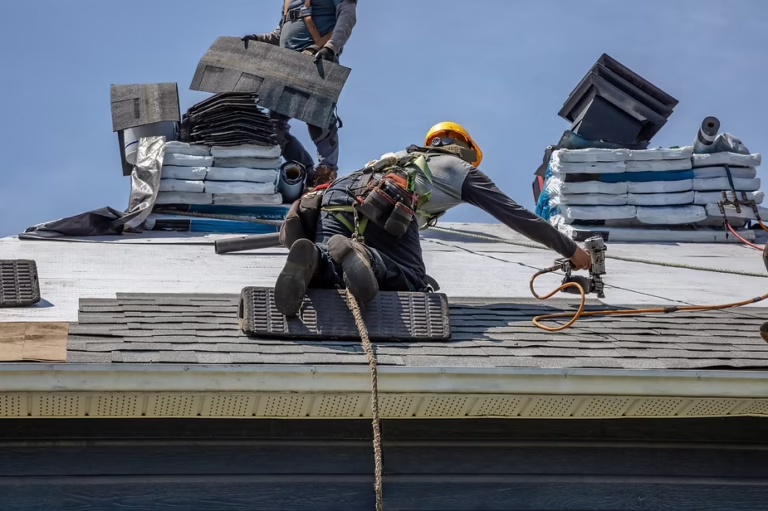
- High-risk trades (like roofing or demolition) are more expensive to insure than lower-risk work (like painting or flooring).
- Business Size and Annual Revenue
- Larger operations with higher revenue generally face greater exposure and require higher limits.
- Payroll and Number of Employees
- Workers’ compensation premiums are directly tied to payroll amounts.
- Use of Subcontractors
- If you hire subs, you may need to show proof of their insurance or include them under your own policy.
- Claims History
- A clean record keeps rates competitive, while frequent or severe claims can raise costs.
- Vehicles and Equipment
- Owning trucks, trailers, or heavy machinery adds additional exposure and coverage requirements.
- Project Size and Location
- Larger commercial projects and high-traffic job sites typically carry greater liability risk.
- Coverage Limits and Deductibles
- Higher limits provide more protection but increase premiums; higher deductibles reduce them.
Common Insurance Policies Construction Companies Need
While costs vary, the types of coverage most construction companies carry remain fairly consistent.
General Liability Insurance
Protects against third-party claims for property damage, bodily injury, and completed operations. It’s often the first policy clients, lenders, or licensing boards require.
Workers’ Compensation Insurance
Covers medical bills, lost wages, and rehabilitation costs for employees injured on the job. Required by law in most states once you hire your first employee.
Commercial Auto Insurance
Covers company vehicles used for business purposes. Personal auto policies typically exclude business use, making commercial coverage essential.
Builder’s Risk Insurance
Also called “course of construction” insurance, this covers property and materials during the building phase. Many lenders and project owners require it before work begins.
Inland Marine (Tools & Equipment) Insurance
Protects your tools, machinery, and mobile equipment from theft, damage, or loss, whether stored, in transit, or on a job site.
Umbrella / Excess Liability Insurance
Provides additional protection beyond your primary liability policies. Especially important for contractors taking on larger commercial or government projects.
Why Accurate Pricing Requires Custom Underwriting
Two construction companies may do similar work, but still have very different insurance costs. Here’s why:
- Underwriting is personalized. Each insurer evaluates your risk profile using your claims history, safety programs, and operations.
- Local regulations matter. State-specific laws can influence which policies are mandatory and what minimum limits are required.
- Coverage is modular. You can often tailor your program by adding or removing policies to fit your exact needs and budget.
Because of this, online averages can be misleading. The best way to understand your cost is through a custom quote that accounts for your company’s real exposures.
How to Keep Your Insurance Costs Under Control
Even though rates depend on underwriting, there are proactive steps you can take to manage your premium effectively.
1. Work with an Independent Agency
Independent brokers have access to multiple carriers and can compare quotes to find the best fit for your construction business.
2. Maintain a Strong Safety Program
A clean loss history and proven safety protocols show insurers that you manage risk responsibly.
3. Verify Subcontractor Coverage
Always collect Certificates of Insurance from your subs. If they’re uninsured, any claim involving them could fall under your policy.
4. Review and Update Annually
As your business grows, your risks change. Reviewing your policies each year ensures you’re not over- or underinsured.
5. Bundle Policies for Efficiency
Many insurers offer premium credits when you combine liability, workers’ comp, and auto under the same carrier.
What to Have Ready Before Requesting a Quote
When you’re ready to get a custom quote, having the right information prepared can speed up the process.
You’ll typically need:
- Business name and years in operation
- Annual revenue and payroll
- Number of employees and subcontractors
- Types of projects or trades you perform
- Equipment and vehicles owned
- Claims history (usually the last 3–5 years)
Providing this data upfront allows your agent to gather accurate quotes faster and identify coverage gaps early.
Common Missteps That Increase Premiums
- Letting policies lapse – Gaps in coverage raise red flags for insurers.
- Failing to verify subcontractor insurance – Can make you liable for their mistakes.
- Not updating payroll or project details – Leads to inaccurate pricing and potential audit issues.
- Ignoring risk management – Lack of safety protocols often translates into higher premiums.
The Bottom Line
There’s no flat rate for construction insurance, and that’s a good thing. Your coverage (and cost) should reflect your business’s unique risks, not a generic average.
By understanding what insurers look for and working with a broker who specializes in contractor coverage, you can secure comprehensive protection at a fair price.
Whether you’re just starting out or managing multiple crews, the right insurance partner helps you stay compliant, competitive, and confident that your business is covered from every angle.
Ready to find out what insurance will look like for your construction company?Contact our team today for a no-obligation quote tailored to your operation.